

Persistent hip pain that affects walking, climbing stairs, standing, or routine movement may indicate worsening hip arthritis or progressive joint damage. While many patients improve with medication, physiotherapy, weight management, or injections, persistent symptoms may eventually require orthopaedic evaluation.
Patients experiencing chronic hip stiffness, limping, walking difficulty, or reduced mobility often consult Dr Prashant Arya, a hip replacement surgeon in Jamshedpur, for diagnosis and treatment planning.
Common Signs You May Need Hip Replacement Surgery

Persistent Hip Pain That Does Not Improve
Hip pain lasting for weeks or months despite rest, medication, or physiotherapy may indicate progressive hip joint degeneration.
Common symptoms may include:
- Pain in the groin, thigh, or buttock
- Pain while walking or standing
- Difficulty climbing stairs
- Pain after prolonged sitting
- Reduced ability to perform daily activities
- Stiffness after inactivity
Hip Pain During Rest or at Night
Advanced hip arthritis may persist, causing pain even at rest or during sleep, due to cartilage loss and joint inflammation.
Common nighttime symptoms include:
- Sleep disturbance from hip discomfort
- Difficulty changing sleeping positions
- Pain while lying on one side
- Morning stiffness after waking
- Persistent aching during rest
Hip Stiffness and Reduced Flexibility
Progressive arthritis may gradually reduce hip movement and flexibility, making routine activities difficult.
Signs may include:
- Difficulty bending forward
- Trouble sitting cross-legged
- Difficulty getting into vehicles
- Restricted leg movement
- Pain while standing from a chair
- Reduced walking speed
Difficulty Walking or Climbing Stairs
Worsening hip arthritis can affect balance, walking stability, and overall mobility.
Common mobility problems include:
- Limping while walking
- Reduced walking distance
- Difficulty climbing stairs
- Slower walking speed
- Difficulty standing for long periods
- Fear of falling due to instability
Limping and Walking Instability
Advanced hip degeneration may weaken surrounding muscles and reduce joint stability.
Signs of instability may include:
- Dependence on a cane or walker
- Muscle weakness around the hip
- Difficulty balancing while walking
- Unsteady movement
- Increased fatigue during movement
- Reduced confidence while walking
Bone-on-Bone Hip Joint Symptoms
As cartilage wears away, bones may begin rubbing directly against each other during movement.
Common bone-on-bone symptoms include:
- Sharp pain during movement
- Grinding sensation inside the joint
- Severe stiffness
- Reduced flexibility
- Inflammation and swelling
- Difficulty bearing weight on the affected side
Reduced Ability to Perform Daily Activities
Progressive hip arthritis may interfere with everyday movement and independence.
Daily limitations may include:
- Difficulty walking long distances
- Trouble sitting comfortably
- Difficulty driving
- Reduced exercise ability
- Problems standing for long periods
- Reduced independence during routine tasks
Hip Pain That No Longer Improves With Conservative Treatment
Hip replacement surgery may be considered when medications, physiotherapy, injections, or lifestyle changes stop providing lasting relief.
Signs hip replacement treatment may no longer be effective include:
- Persistent pain despite medication
- Increasing stiffness
- Worsening limping
- Difficulty sleeping due to pain
- Progressive mobility limitation
- Reduced quality of life
Can Hip Pain Improve Without Surgery?

Yes. Mild to moderate hip pain may often improve with conservative treatment and lifestyle modification.
Common non-surgical hip pain treatments may include:
- Anti-inflammatory medications
- Physiotherapy and strengthening exercises
- Weight management
- Activity modification
- Walking support devices
- Corticosteroid injections
Many patients experience symptom improvement with early diagnosis and guided orthopaedic care.
How Is Severe Hip Joint Damage Diagnosed?
Orthopaedic specialists use physical examination and imaging tests to evaluate the severity of hip arthritis and cartilage damage.
Physical Examination
Doctors may assess:
- Walking pattern and gait imbalance
- Joint stiffness and flexibility
- Hip range of motion
- Pain severity during movement
- Leg alignment and stability
- Weight-bearing difficulty
Imaging Tests for Hip Arthritis
X-Rays may help identify:
- Cartilage loss
- Joint space narrowing
- Bone spurs
- Hip deformity
- Bone damage
MRI scans may evaluate:
- Early joint changes
- Soft tissue injury
- Muscle and ligament condition
- Joint inflammation
When Is Hip Replacement Surgery Recommended?

Hip replacement surgery is generally considered when severe pain, stiffness, and mobility limitation continue despite conservative treatment.
Conditions that may require hip replacement surgery include:
- Advanced osteoarthritis
- Rheumatoid arthritis
- Severe joint degeneration
- Certain hip fractures
- Progressive cartilage loss
Total hip replacement surgery involves replacing damaged portions of the hip joint with artificial components designed to improve movement and reduce pain.
What Is the Recovery Timeline After Hip Replacement Surgery?
Recovery after hip replacement surgery happens gradually over several weeks. Most patients experience steady improvement in walking ability, pain relief, and daily movement with proper rehabilitation and physiotherapy.
Weeks 1–2: Early Recovery Phase
- Focus remains on pain control, swelling reduction, and preventing blood clots.
- Patients usually begin walking with a walker or crutches within 1–2 days after surgery.
- Basic physiotherapy exercises are started to improve circulation and mobility.
- Surgical stitches or staples are commonly removed around day 10.
Weeks 3–6: Improving Mobility & Independence
- Many patients transition from a walker to a cane during this stage.
- Light household activities and desk-based work may gradually resume.
- Walking endurance typically improves with regular physiotherapy.
- Driving is often allowed after 6 weeks, depending on recovery progress and the surgeon’s advice.
Weeks 6–12: Functional Recovery Stage
- Most patients notice a major reduction in hip pain and stiffness.
- Daily activities become easier with improved balance and joint movement.
- Mild soreness after prolonged walking or other activity may persist temporarily.
- Continued strengthening exercises help restore long-term hip stability.
Essential Movement Precautions After Surgery
Following post-surgical precautions is important to reduce the risk of hip dislocation during the first few weeks.
Avoid Deep Hip Bending
- Do not bend the hip beyond 90 degrees.
- Avoid low sofas, floor sitting, or bending to touch your toes.
Avoid Crossing the Legs
- Keep legs slightly apart while sitting or lying down.
- Avoid crossing ankles or knees during recovery.
Avoid Sudden Hip Twisting
- Do not rotate the operated leg excessively inward or outward.
- Turn your whole body, not just your hip.
Importance of Physiotherapy & Exercise
Physical therapy plays a major role in successful hip replacement recovery.
Daily Rehabilitation Exercises
- Exercises are usually recommended 2–3 times daily.
- They help improve blood circulation, reduce swelling, and strengthen surrounding muscles.
Regular Walking Practice
- Short, comfortable walks improve mobility and confidence.
- Gradually increasing walking distance supports faster functional recovery.
Muscle Strengthening & Balance Training
- Physiotherapy improves joint stability and walking patterns.
- Consistent rehabilitation may help patients return to normal activities more comfortably.
What Are the Risks of Hip Replacement Surgery?
Like all major surgical procedures, hip replacement surgery carries certain risks, although serious complications are uncommon.
Possible risks of hip replacement surgery may include:
- Infection
- Blood clots
- Joint dislocation
- Implant loosening
- Delayed healing
- Nerve injury
Careful post-operative care and rehabilitation help reduce the risk of complications and support recovery.
When Should You Consult a Hip Replacement Surgeon
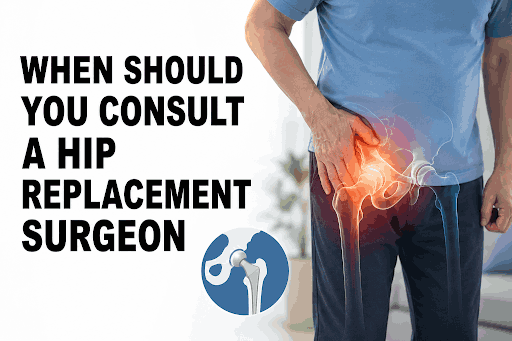
Orthopaedic evaluation is recommended if hip pain continues to affect movement, walking, or daily activities.
You should seek medical evaluation if your hip pain:
- Persists for several weeks
- Causes limping
- Disturbs sleep
- Limits daily movement
- Affects walking or standing
- Does not improve with conservative treatment
Early diagnosis may help prevent worsening joint damage and prolonged mobility limitation.
Dr Prashant Arya, a leading orthopaedic specialist in Jamshedpur, has resolved 12,000+ cases — from sports injuries to complex joint conditions
If you are suffering from chronic hip pain or advanced hip arthritis, book an appointment for an orthopaedic evaluation and guidance on treatment.
Final Takeaway
Persistent hip pain with stiffness, limping, reduced flexibility, or walking difficulty may indicate worsening hip arthritis or progressive joint damage.
While many patients improve with medication, physiotherapy, or lifestyle modification, severe cartilage loss may eventually require hip replacement surgery to restore mobility and reduce pain.
Ready to Discuss Your Hip Condition? Call 091632 83798 today.
People Also Ask
Can Hip Pain Make One Leg Feel Shorter?
Yes. Advanced hip arthritis may sometimes alter posture and joint alignment, making one leg feel shorter during walking or standing.
Can Younger Adults Need Hip Replacement Surgery?
Yes. Severe arthritis, avascular necrosis, hip injury, or progressive joint damage may sometimes require hip replacement surgery in younger adults.
Can Hip Arthritis Cause Pain in the Knee?
Yes. Hip arthritis may sometimes cause referred pain in the knee because hip and knee joints share nearby nerve pathways.
Can Hip Arthritis Cause Clicking or Popping Sounds?
Yes. Damaged cartilage and joint wear may sometimes produce clicking, popping, or grinding sensations during hip movement.
Does Weight Gain Make Hip Arthritis Worse?
Excess body weight may increase pressure on the hip joint, potentially worsening cartilage wear, pain, stiffness, and mobility limitation.
Why Does Hip Pain Feel Worse After Sitting?
Prolonged sitting may increase joint stiffness and temporarily reduce hip mobility, making movement more painful after standing up.
Can Hip Arthritis Affect Sleep Quality?
Yes. Night pain, stiffness, and difficulty changing sleeping positions may disrupt sleep in patients with advanced hip arthritis.
Can Untreated Hip Arthritis Affect Balance?
Yes. Progressive hip degeneration may weaken joint stability and surrounding muscles, increasing walking instability and fall risk.