
Pain has a quiet way of taking over life — slowing your morning walk, making the bus ride more difficult, and turning simple chores into a struggle. One day you’re moving freely, and the next, your knee, hip, or shoulder decides how the rest of your day will go.
For many people in Jamshedpur, this is their everyday reality. Work becomes tiring, sleep loses its comfort, and even small family moments feel heavy when your joints aren’t supporting you.
While everyone fears long, slow recovery, the future of orthopaedics is bringing a different kind of story — one filled with smoother treatments, quicker healing, and far more hope than before. New technologies are revolutionising the way patients heal.
Under the care of a specialist like Dr Prashant Arya, an expert and trusted orthopaedic doctor in Jamshedpur, these new-age treatments help patients feel supported, informed, and ready for a healthier future.
Curious about what innovations are shaping the future of orthopaedics, and how they can change your recovery journey for the better?
Let’s dive in!
Emerging Orthopaedic Technologies
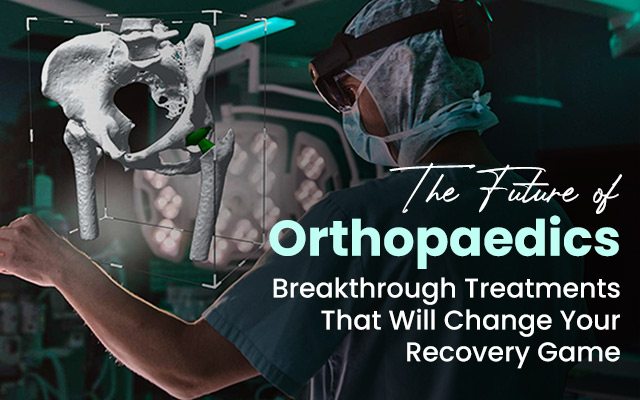
Modern orthopaedics is moving toward accuracy, comfort, and personalised care. Here’s a look at the breakthroughs that make this possible.
These tools bring more confidence and clarity to the treatment process. Consult an orthopaedic doctor in Jamshedpur, such as Dr Prashant Arya, if you have questions.
Minimally Invasive Procedures

Small cuts. Less pain. Quicker recovery. That’s the promise of minimally invasive orthopaedic procedures, and patients today are benefiting from them more than ever.
Benefits Over Traditional Surgery
Traditional open surgeries involve larger cuts and longer healing times. Minimally invasive techniques use small incisions and special tools.
Such minimally invasive techniques reduce:
- blood loss
- tissue damage
- infection risks
- time spent in the hospital
For example, arthroscopy—a standard minimally invasive technique—utilises a tiny camera to examine the inside of joints. It helps doctors repair ligament tears, meniscus injuries, and shoulder problems with minimal disturbance to healthy tissues.
Faster Recovery and Reduced Pain
Patients often return to their daily routine quickly after minimally invasive procedures. Pain levels are lower, scars are less severe, and recovery feels less overwhelming.
These methods align with the growing demand for faster recovery orthopaedic solutions, especially for working professionals, senior citizens, and athletes.
Regenerative Therapies
Regenerative therapy is an emerging approach that uses your body’s own healing power to repair damaged joints and tissues. Instead of relying only on strong medicines or major surgery, it helps reduce pain, improve movement, and support recovery in early-stage problems like knee arthritis, ligament strains, frozen shoulder, or slow-healing fractures.
While regenerative therapy can offer natural relief, it works best under proper guidance.
Consult with Dr Prashant Arya, an orthopaedic doctor in Jamshedpur. He regularly treats knee, hip, and shoulder conditions, and helps patients understand whether this option is suitable or if a more advanced treatment is needed for long-term recovery.
Advanced Rehabilitation Tools
Recovery does not end after treatment. It continues through rehabilitation. Today, rehab is smarter, simpler, and more personalised.
Physiotherapy Innovations
Physiotherapy now uses digital tools, motion sensors, and balance-training devices to track progress more accurately. Patients receive real-time feedback on posture, strength, and flexibility.
For example, digital gait analysis reveals how a person walks, enabling therapists to create more effective recovery plans after knee or hip procedures.
It is a significant aspect of orthopaedic rehabilitation technology, making recovery more scientific and less stressful.
Patient-Centric Recovery Programs
A patient-first approach means:
- custom exercises
- detailed progress monitoring
- emotional support
- practical movement training
Patients recovering from fractures or ligament injuries often feel reassured when their doctor explains each step of their treatment. Specialists like Dr Prashant Arya, a trusted orthopaedic doctor in Jamshedpur, focus on guiding patients with simple instructions and realistic goals.
Patient-Centred Progress: How Modern Care Transforms Everyday Healing
Recovery in orthopaedics feels very different today than it did a decade ago. Patients now receive care that is more personalised, more comfortable, and more predictable.
These changes make the entire healing journey less stressful for people and their families across Jamshedpur and nearby areas.
Meaningful Changes Patients Notice Today
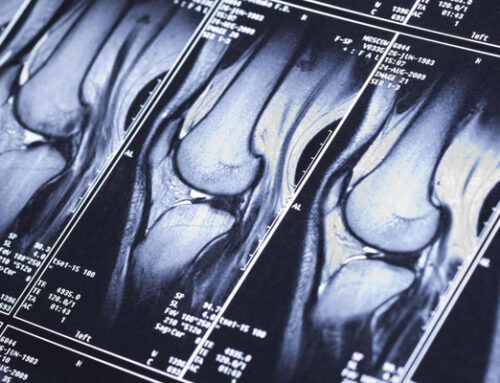
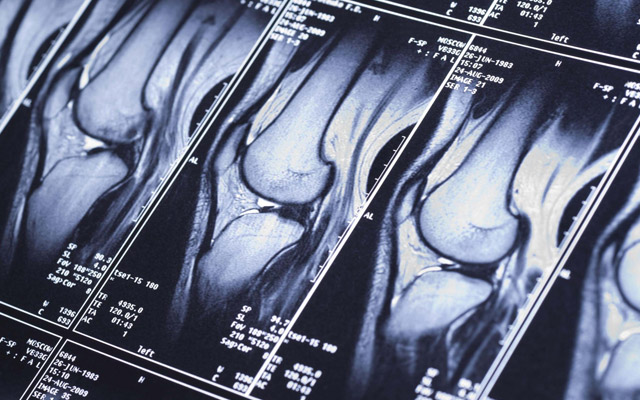
Today, with the aid of accurate scans, structured rehabilitation plans, and improved treatment techniques, many patients can return to their daily tasks much sooner. Simple activities, such as climbing stairs, walking to the bus stop, or standing for long hours, become easier earlier in the recovery timeline.
Older adults who suffer fractures also notice steady improvement. When treatment is supported with safe mobility training and personalised exercises, many seniors regain balance and confidence faster than they expected.
These changes demonstrate how breakthrough orthopaedic treatments enable people to rebuild their routines with less discomfort and more hope.
How Life Shifts After Modern Orthopaedic Care
Patients often discuss the emotional comfort that follows physical healing. Sleeping without pain, visiting local markets without help, enjoying evening walks around the neighbourhood, or travelling short distances independently—these small wins bring back a sense of freedom.
Daily life feels lighter. Movement becomes smoother. Families feel reassured as they see consistent progress.
Modern orthopaedic care does more than treat a condition—it restores confidence and independence. People start trusting their bodies again and reconnect with work, family, and social life without hesitation. Healing becomes a steady journey of strength, comfort, and renewed energy.
Preparing for Future Orthopaedic Care
Being informed helps patients make better health choices.
Questions to Ask Your Specialist
Patients often find it helpful to ask to make clearer decisions and reduce anxiety.
| Question | Explanation |
| What is the best treatment for my condition? | Patients should ask their doctor to recommend the most effective treatment options tailored to their specific condition. |
| How long will my recovery take? | Understanding recovery time helps plan post-treatment activities and manage expectations. |
| Are minimally invasive options suitable for me? | Patients need to discuss their eligibility for less invasive procedures that typically involve fewer risks and quicker recovery. |
| What lifestyle changes can support healing? | Asking about lifestyle modifications, such as diet or activity adjustments, can optimise healing outcomes. |
| What risks should I know about? | It is crucial for patients to understand potential side effects, complications, or limitations of their treatment. |
Staying Informed About New Treatments
New therapies and technologies appear every year. Therefore, patients need to be aware of the advancements in joint and bone care.
Talking to your specialist, such as Dr Prashant Arya, a trusted orthopaedic doctor in Jamshedpur. Doing so will help you stay informed about new updates and keep you prepared for the next steps in your recovery.
Your Recovery Journey Should Be Safe, Guided, And Filled With Hope
With modern advances and expert care, healing today is far better than it was even a few years ago. If you or your loved one is dealing with bone or joint issues, it’s the right time to seek support.
Book an appointment with Dr Prashant Arya, a trusted and experienced orthopaedic doctor in Jamshedpur.
Get in Touch – 091632 83798
People Also Ask
Are minimally invasive orthopaedic surgeries safer?
They use more minor cuts and disturb fewer tissues, which can reduce risks and improve comfort.
How long does recovery take after modern orthopaedic procedures?
Recovery varies by condition, but many patients experience faster healing with new techniques and improved physiotherapy tools.
Should I see a specialist for joint pain?
Yes. A specialist should always check for persistent pain, reduced mobility, or swelling to prevent long-term issues.
Do future orthopaedic treatments reduce pain?
Many new technologies focus on reducing pain and improving comfort during both treatment and recovery.