

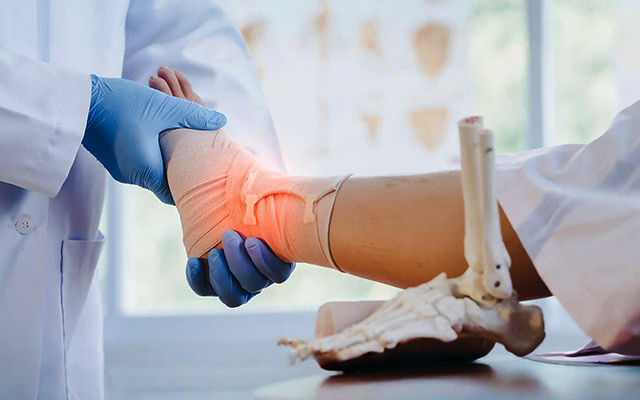
A “minor” fall can still cause a hidden fracture—a break that doesn’t always show up immediately on X-rays and may not cause dramatic swelling. These injuries commonly affect older adults, people with early bone thinning, busy professionals who brush pain aside, and caregivers who underestimate slow-building symptoms.
If pain persists, worsens, or changes how you move, a medical evaluation is necessary. Local, timely care from an experienced orthopaedic doctor helps prevent long-term mobility loss and complications.
Why this matters more than we admit (and why people delay)
In fast-moving cities, falls often get dismissed—stairs at home, a wet bathroom floor, a misstep while commuting. Life doesn’t pause, so painkillers step in.
The problem?
Some fractures whisper before they scream. Ignoring that whisper invites stiffness, delayed healing, and unavoidable surgery.
One credible (source) to ground this: a significant share of fractures—especially hairline or stress fractures—can be missed on initial imaging, particularly in the hip, wrist, shoulder, and foot.
When diagnosis is delayed, recovery time lengthens and outcomes worsen.
What doctors mean by “hidden fractures”
A hidden fracture is a crack in the bone that’s small, well-aligned, or located in an area where early X-rays look normal.
Medical terms you might hear—stress fracture, hairline fracture, or occult fracture—all point to the same risk: pain without realisation.
Commonly affected areas
- Hip and pelvis (especially after low-energy falls)
- Wrist and forearm
- Shoulder and upper arm
- Foot and ankle
Who is most at risk in everyday life?
Hidden fractures don’t choose people at random, but they do follow familiar patterns seen every day.
Adults over 50, especially women after menopause
Such individuals are at higher risk because bone strength gradually reduces with age. A fall that feels harmless can still stress weakened bone, causing pain that doesn’t settle quickly.
People with bone thinning, diagnosed or not.
They often have or show no symptoms until an injury occurs. Early bone loss makes fractures easier to miss, as pain may linger without obvious swelling or deformity – (source).
Active people who keep moving despite pain
Another common group at risk in everyday life. When rest feels impossible, injured bones continue to bear weight, delaying healing and potentially worsening a small fracture over time.
People who refuse treatment
They frequently postpone medical care. Ignoring persistent discomfort may allow a simple injury to progress before it is properly assessed.
Those relying on long-term painkillers
Finally, these folks are especially vulnerable. Pain relief can mask warning signs, giving a false sense of recovery while the underlying injury remains untreated.
Be it Jamshedpur or any other city, when people push through discomfort and keep going, the risks add up. Persistent pain after a fall isn’t a weakness—it’s a signal. Recognising it early helps prevent complications and protects long-term mobility.
Why delayed care backfires (the real consequences)
Postponing evaluation can turn a simple problem complex.
| What gets delayed | What can happen |
| Accurate diagnosis | Fracture displacement |
| Proper immobilisation | Poor bone healing |
| Targeted treatment | Chronic pain & stiffness |
| Rehabilitation timing | Loss of independence |
Early diagnosis prevents long-term mobility loss. That’s not fear—it’s biomechanics.
Symptoms that should stop you from “waiting it out”
If this sounds familiar, and you are from the Steel City as well, it’s time to book an appointment with Dr Prashant Arya, a trusted orthopaedic doctor in Jamshedpur.
How doctors actually confirm a hidden fracture
Good care follows logic, not guesswork.
| Step | Why it matters |
| Clinical exam | Identifies pain patterns & functional loss |
| Repeat or advanced imaging (MRI/CT) | Detects fractures that X-rays can miss |
| Bone health assessment | Flags osteoporosis risk |
| Activity review | Links injury to the daily load |
This is where experience counts. An expert knows when to look deeper. If you are looking for the right orthopaedic doctor in Jamshedpur, Dr Prashant Arya can help transform a lifelong limitation into a swift and assured recovery.
Treatment: effective, evidence-backed, and often simpler than feared
Most hidden fractures do not need surgery if caught early.
| Injury type | Typical treatment | Expected outcome |
| Hairline/stress fracture | Rest, brace, load modification | Full recovery |
| Stable wrist/foot fracture | Immobilisation + physio | Normal function |
| Certain hip fractures | Timely surgical or non-surgical care | Preserved mobility |
If pain is changing how you walk, sleep, or work, book a consultation now. Early care shortens recovery and protects independence.
Prevention and long-term control: what actually helps (and what’s just noise)
Prevention isn’t about wrapping life in bubble wrap. It’s about keeping your rhythm intact—walking, working, travelling, living—without a sudden injury pulling the brakes. Here’s what truly moves the needle.
Strength and balance training (the quiet game-changer)
Falls usually aren’t about clumsiness—they’re about muscles reacting a second too late. Simple, regular strength and balance work improves joint control, posture, and reflexes. Think targeted leg, hip, and core exercises—not gym theatrics. Done right, this lowers fall risk dramatically and protects bones if a stumble does happen.
Bone health checks after midlife (don’t wait for a fracture to tell you)
Bone thinning doesn’t announce itself- (Source)
Many people discover it only after a fracture. Midlife bone assessments help detect early weakness, guide nutrition and supplement use, and—when needed—start treatment before bones become fragile. This is especially important for women after menopause and men with sedentary or high-stress routines.
Footwear and home safety (small fixes, big returns)
Most falls happen in familiar spaces—bathrooms, staircases, dim corners at night.
- Stable footwear with good grip
- Proper lighting, especially near steps
- Grab rails in bathrooms and non-slip mats
These aren’t signs of ageing—they’re signs of planning.
Timely review after any fall—even the “nothing happened” ones
Here’s the rule most people ignore: pain that lingers is a form of information. If discomfort lasts more than a couple of days, interferes with your ability to move, or keeps returning, it warrants medical attention. Early review catches hidden fractures before they snowball into prolonged pain or loss of mobility.
Prevention isn’t driven by fear
It’s driven by one simple goal: keeping life uninterrupted, independent, and on your terms.
When you should seek care—no more guessing
Certain signs mean it’s no longer safe to observe and wait—these are clear indicators that medical evaluation is needed.
See a specialist if:
- Pain persists beyond three days
- Walking or daily tasks feel “off”
- Night pain or deep ache appears
- Painkillers are becoming routine
These are not overreactions. They’re smart signals.
A calm guide when the path feels unclear
If you’re reading this, chances are you’re stuck between two fears—what if it’s nothing and what if it’s something serious. That pause, that second-guessing, is where many people lose time. And time matters more to bones than most people realise.
Patients often worry they’re “overthinking” a fall. Medically, they’re not. In medicine, pain that lingers or changes how you move is a signal, not anxiety. Ignoring it doesn’t make it harmless—it makes it harder to fix.
Good orthopaedic care isn’t about rushing decisions. It’s about careful listening, proper evaluation, and choosing the least invasive path that restores movement and independence. Clear answers calm fear; timely action prevents long-term damage.
Call 91632 83798 and get in touch with Dr Prashant Arya for a consultation today.
People Also Ask
Can a fracture be missed after a minor fall?
Yes. Small or stress fractures may not appear on early X-rays, especially in the hip, wrist, shoulder, or foot.
How long should pain last after a fall?
Mild pain usually improves within 48–72 hours. Pain that persists, worsens, or interferes with movement requires medical evaluation.
Is swelling always present in a fracture?
No. Many hidden fractures cause deep pain without visible swelling or bruising.
When should I see an orthopaedic doctor after a fall?
If pain lasts more than a few days, affects walking or sleep, or keeps recurring, consult Dr Prashant Arya, an orthopaedic doctor in Jamshedpur, to learn more.
Can early treatment really change outcomes?
Absolutely. Early diagnosis shortens recovery time and prevents long-term mobility problems.







Leave A Comment