

Ignoring early joint or bone discomfort can quietly cost you your mobility later in life. Most people wait until pain becomes unbearable before seeing an orthopaedic doctor — but catching problems early can save years of discomfort and avoid complicated treatment down the line.
This guide covers the key signs you need to see an orthopedic doctor, what symptoms to track, and how early diagnosis protects your long-term bone and joint health.
Quick Summary Table:
Symptom | Possible Cause | What To Do |
Daily joint pain | Early arthritis, cartilage wear | Book a joint pain assessment |
Swelling or redness | Inflammation, gout, injury | See a doctor within days |
Morning stiffness | Early osteoarthritis | Gentle movement + evaluation |
Muscle cramps/spasms | Nerve compression, deficiency | Musculoskeletal check-up |
Numbness/tingling | Nerve or disc issue | Spine consultation |
Balance/walking trouble | Joint instability, bone weakness | Full orthopaedic exam |
| Old fracture pain returning | Long-term joint strain | Bone health screening |
Why Early Orthopaedic Checkups Matter
An orthopaedic checkup isn’t only for severe injuries — it’s a preventive step for anyone with persistent discomfort, stiffness, or limited movement. Early evaluation lets your doctor catch underlying issues before they progress.
Preventing Serious Joint and Bone Issues
Many bone and joint problems develop silently.
- Regular bone health screening helps detect arthritis, osteoporosis, or ligament damage early
- Global Burden of Disease data shows knee osteoarthritis cases in India rose from about 17.4 million in 1990 to roughly 48.4 million by 2021 — a sign of how important early detection has become as lifestyles change. (Source)
Improving Mobility and Quality of Life
- Early spine and joint care keeps your body strong and flexible
- Addressing minor pain and stiffness ensures better mobility as you age
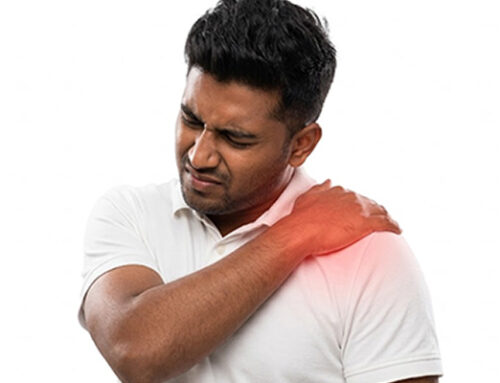
Warning Sign 1 — Persistent Joint Pain (When to Worry About Joint Pain)
When Pain Indicates Something Serious
- Temporary soreness from a workout fades in a day or two
- Pain that worsens with movement or lasts weeks may mean cartilage damage or joint inflammation
- Action: Book a joint pain assessment to identify the root cause early
Warning Sign 2 — Swelling or Redness Around a Joint
Identifying Inflammation Early
- Can stem from arthritis, gout, or an untreated injury
- Ignoring it risks restricted movement or permanent joint damage
- Action: Seek anti-inflammatory therapy and preventive orthopaedic care promptly
Warning Sign 3 — Stiffness or Limited Range of Motion
Recognising Functional Impairment
- Morning stiffness or trouble bending, walking, or lifting can point to osteoarthritis
- Gentle exercises and early therapy help restore flexibility
Warning Sign 4 — Frequent Muscle Cramps or Spasms
What They Could Mean
- May relate to calcium/potassium deficiency, poor posture, or nerve compression
- A musculoskeletal health evaluation identifies the exact cause
Warning Sign 5 — Numbness or Tingling in Limbs
Early Nerve or Spine Issues
- Often linked to spine or disc problems
- Ignored numbness can progress to chronic nerve damage or weakness
- A timely consultation can catch herniated discs or spinal stenosis early
Warning Sign 6 — Difficulty Walking or Balance Problems
Indicators of Joint or Bone Weakness
- Common with age or untreated old injuries
- Frequent loss of balance warrants a full orthopaedic evaluation
- Helps diagnose hip, knee, or ankle issues before they worsen
Warning Sign 7 — History of Fractures or Injuries
When Past Injuries Require Monitoring
- Even healed fractures can silently affect bone structure and alignment for years
- Regular bone health screening catches degeneration before symptoms escalate
The Overlooked Warning Sign — Constant Fatigue or Weak Grip
Why You Shouldn’t Ignore These Symptoms
- Muscle fatigue after minimal effort, or a weakening grip, can point to joint stress, nerve compression, or early carpal tunnel syndrome
- Small signs like these often precede more visible orthopaedic issues
How an Orthopaedic Checkup Works
Step | What Happens |
Physical exam | Doctor assesses posture, flexibility, pain points |
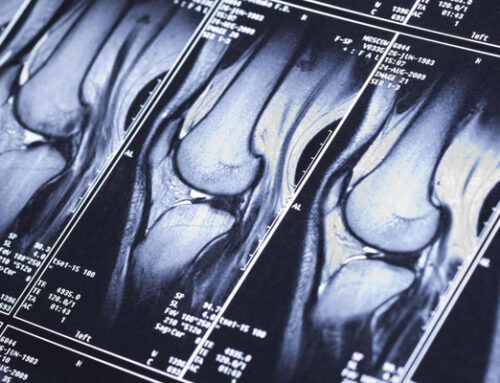
Diagnostic imaging | X-rays, MRIs, or bone density scans pinpoint the cause |
Diagnosis | Comprehensive evaluation for accurate orthopaedic diagnosis |
Treatment plan | Personalised — physiotherapy, medication, or minor intervention |
| Follow-up | Regular monitoring to prevent flare-ups |
Physical Examination and Imaging
The doctor evaluates posture, flexibility, and pain points. X-rays, MRIs, or bone density scans help pinpoint exact causes.
Personalised Treatment Plans
After diagnosis, the doctor creates a tailored care plan — physiotherapy, medication, or minor interventions, with regular follow-ups.
When to Book a Preventive Orthopedic Visit
Book a checkup if you:
- Feel constant joint stiffness or weakness
- Notice visible swelling or deformity
- Have had multiple minor injuries recently
- Struggle with flexibility or balance
Book Your Orthopaedic Checkup Today
Ignoring early signs can lead to long-term complications. Whether it’s stiffness, swelling, or an old injury, early diagnosis makes recovery faster and smoother.
Reach Out to an Expert
For expert care, consult Dr Prashant Arya, a leading orthopaedic doctor in Jamshedpur. With years of experience in joint pain assessment, spine and joint care, and preventive orthopaedic care, he ensures complete musculoskeletal well-being through a patient-focused approach and advanced diagnostic tools.
Book your orthopaedic consultation today with Dr Prashant Arya.
People Also Ask (FAQs)
When should you visit an orthopaedic doctor
Visit when persistent pain, swelling, or stiffness lasts for weeks.
How often should you schedule a bone health screening?
Once a year, especially for adults over 40.
Can exercise help prevent joint and bone problems?
Yes — low-impact exercises strengthen muscles and support joint stability.
What tests are done during an orthopaedic checkup?
Physical exams, X-rays, and sometimes MRIs.
How can you maintain long-term musculoskeletal health?
Eat calcium-rich foods, exercise regularly, avoid prolonged sitting or injury.
Is joint pain common in India?
Yes — knee osteoarthritis alone affects tens of millions of Indians, with cases rising sharply over the past three decades.