
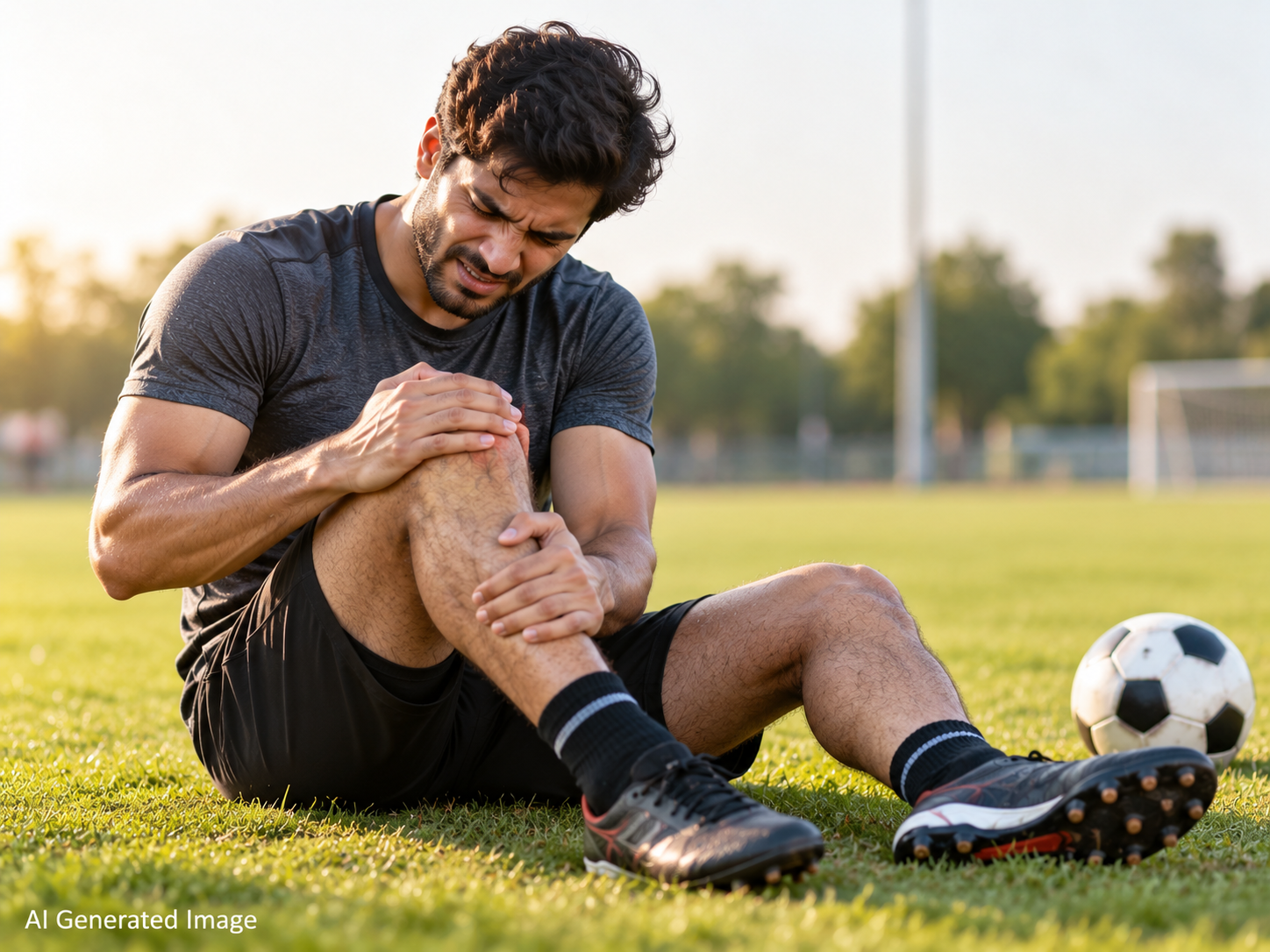
Orthopaedic injuries during exercise and sports can affect muscles, joints, ligaments, tendons, and bones. Proper warm-ups, correct techniques, suitable footwear, and gradual increases in activity can help reduce injury risks.
To prevent injuries, follow appropriate training routines, maintain proper posture, use protective equipment when required, and allow adequate recovery between sessions.
Recognising physical limits and responding promptly to pain can also help avoid injuries and support safe participation in sports and exercise.
Why Do Orthopaedic Injuries Happen During Exercise and Sports?
Orthopaedic injuries occur due to repeated stress, sudden movements, incorrect technique, inadequate preparation, or insufficient recovery.
- Overuse injuries: Repeated activity places excessive stress on joints and tissues.
- Muscle sprains and strains: Sudden movements damage ligaments or muscles.
- Incorrect technique: Poor form increases pressure on vulnerable structures.
- Inadequate recovery: Insufficient rest prevents tissue repair.
- Poor conditioning: Reduced fitness limits the body's ability to handle physical demands.
Most Common Sports and Exercise Injuries
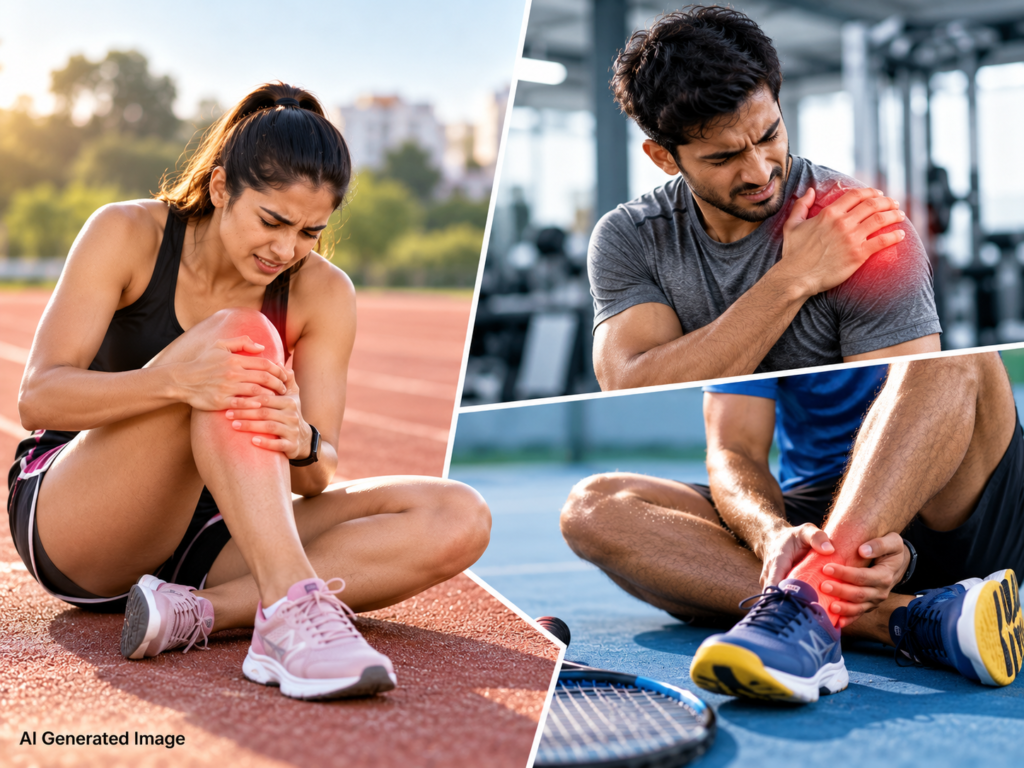
Lower body issues, particularly joint and tissue damage, dominate sports injuries. Early intervention remains crucial to prevent long-term functional loss
Knee and ACL Injuries
Injuries can involve knee ligament damage, including tears of the anterior cruciate ligament (ACL).
- Causes: Sudden stops, twisting, or rapid direction changes.
- Symptoms: Swelling, pain, and severe joint instability.
- ACL injury prevention: Controlled movements, balance drills, and proper landing techniques.
Shoulder Injuries
A severe shoulder ligament injury damages the connective tissues supporting the joint.
- Causes: Repeated overhead throwing or sudden falls.
- Symptoms: Weakness, pain, and restricted arm movement.
- Prevention: Strengthen the rotator cuff and gradually increase training loads.
Ankle Sprains and Stress Fractures
An ankle muscle sprain and strain stretches tissue, while stress fractures crack bones.
- Causes: Twisting on uneven surfaces or repetitive impact.
- Symptoms: Local tenderness, bruising, and throbbing pain.
- Prevention: Wear supportive footwear and train progressively.
Whether exercising at the gym or playing a sport, knowing when to consult a sports injury doctor can help address injuries before they worsen.
8 Proven Ways to Prevent Orthopaedic Injuries While Exercising
Proper preparation, correct technique, gradual progression, and adequate recovery help reduce injury risk during exercise and sports.
1. Never Skip the Warm-Up
Dedicated warm-up exercises before workouts raise muscle temperature and improve joint elasticity.
- Start with light aerobic activity.
- Perform dynamic movements before intense exercise.
- Increase movement intensity gradually.
2. Build Strength Around Your Joints
Targeted strength training for joint stability reinforces connective tissues, shielding vulnerable areas like the knees and shoulders.
- Strengthen muscles surrounding major joints.
- Include balance and coordination exercises.
- Increase resistance gradually.
3. Master Technique Before Adding Load
Sports injury prevention requires correct movement patterns before increasing exercise intensity or resistance.
- Learn proper exercise form.
- Maintain controlled movements throughout repetitions.
- Increase weights after mastering technique.
4. Increase Intensity Gradually
Gradual progression reduces excessive physical stress and the risk of overuse injuries.
- Increase duration and intensity progressively.
- Avoid sudden increases in training volume.
- Reduce activity when pain develops.
5. Wear the Right Footwear and Gear
Appropriate footwear and protective equipment support stability and reduce the risk of avoidable injury.
- Choose footwear suited to the activity.
- Replace worn-out shoes when necessary.
- Use appropriate protective sports equipment.
6. Cool Down and Stretch
Stretching and cool-down exercises help gradually lower activity levels and maintain flexibility.
- Reduce exercise intensity gradually.
- Perform gentle stretches after activity.
- Avoid bouncing during static stretches.
7. Allow Rest and Recovery
Adequate recovery allows muscles and other tissues to repair between training sessions.
- Schedule regular rest days.
- Alternate demanding muscle groups.
- Prioritise sufficient sleep.
8. Fuel Your Bones and Muscles
Adequate nutrition and hydration support normal muscle function, bone health, and physical recovery.
- Consume sufficient protein and calcium-rich foods.
- Maintain vitamin D intake.
- Drink fluids before, during, and after exercise.
Warning Signs You Should Never Ignore
Some progressive red flags you must always watch for include the following.
- Sudden, Sharp, or Popping Sounds: Hearing or feeling a "pop," snap, or tearing sensation during movement or impact often indicates an acute ligament tear (like an ACL tear) or tendon rupture.
- Rapid and Severe Swelling: Swelling that develops within minutes to a few hours of an injury points to acute tissue inflammation, internal bleeding, or joint effusion.
- Inability to Bear Weight: Being unable to stand, walk, or put pressure on your leg, ankle, knee, or foot without sharp pain strongly indicates a severe sprain, dislocation, or bone fracture.
- Joint Instability or Giving Way: A knee, shoulder, or ankle that feels loose, wobbly, or like it might slip out of place indicates that structural support from your ligaments is compromised.
- Visible Deformity or Misalignment: Any unnatural bend, protruding bump, or out-of-place joint shape indicates an acute dislocation or displaced bone fracture.
- Catching, Locking, or Grinding: Mechanical symptoms—where a joint gets stuck mid-motion, catches, or makes painful clicking/grinding noises—frequently signal meniscus or cartilage damage.
When Should You Consult an Orthopaedic Surgeon?
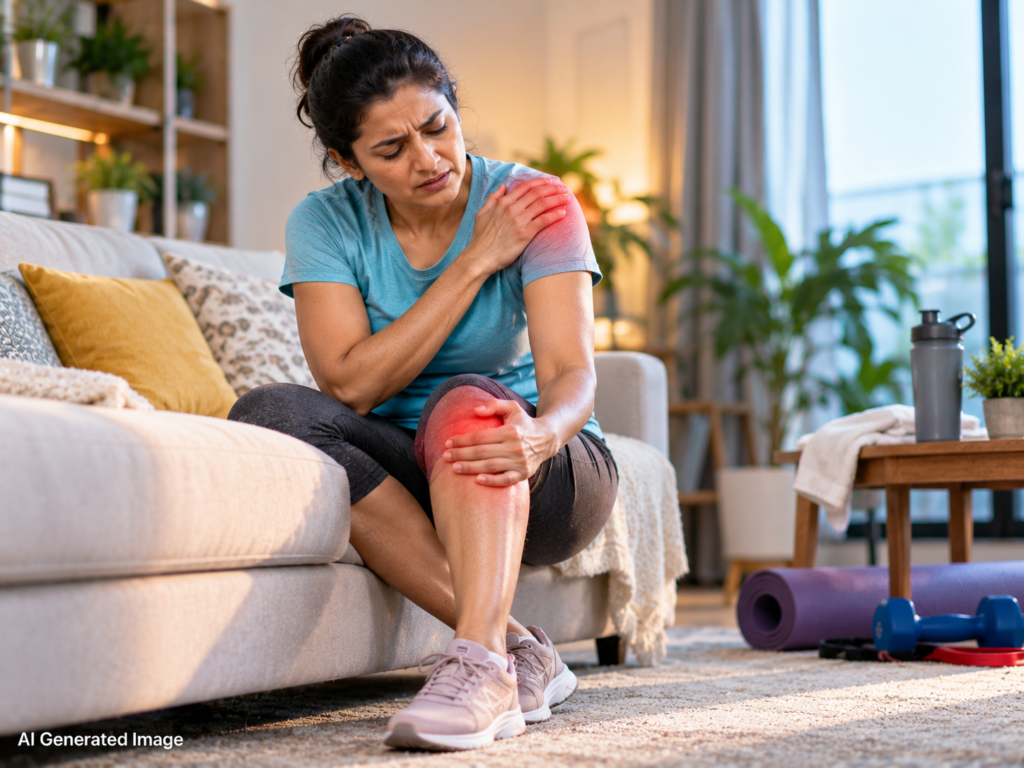
Get a formal checkup when pain persists, movement becomes restricted, or symptoms suggest significant structural damage.
- Pain Persisting Beyond 2 to 3 Weeks: Discomfort, aching, or stiffness that fails to improve despite rest, ice, compression, and over-the-counter anti-inflammatories.
- Numbness, Tingling, or Electric Shocks: Pins-and-needles sensations, burning, or loss of motor function radiating down your limbs, which point to pinched nerves or spinal disc issues.
- Night Pain: Aching or throbbing deep in a joint or bone that consistently wakes you up or prevents you from falling asleep.
- Loss of Range of Motion: An inability to fully straighten or bend a limb, lift your arm, or rotate a joint compared to your normal baseline.
- Signs of Infection (Redness, Heat, or Fever): A joint that feels hot to the touch, looks noticeably red, or is accompanied by chills and a fever requires urgent medical attention.
- Failure of Conservative Care: When targeted physical therapy, activity modification, or braces no longer provide relief for chronic joint wear or sports strains.
Get Advanced Care From a Sports Injury Doctor
Dr Prashant Arya in Jamshedpur offers orthopaedic assessment and treatment for sports-related injuries, including conditions that may require surgery.
| Assessment | Evaluation of symptoms and joint function. |
| Diagnosis | Identification of affected bones, joints, or soft tissues. |
| Treatment | Management based on injury type and severity. |
| Surgical options | Arthroscopy and sports surgery when clinically indicated. |
Frequently Asked Questions
Is it safe to exercise through mild joint pain?
Yes, it is generally safe and highly beneficial to exercise through mild joint pain, provided the discomfort is low-level and you adapt your movement.
How long should I rest after a sports injury before returning to play?
Recovery time depends heavily on the type and severity of tissue damage, ranging from a few days for minor sprains to over 9 months for major surgeries.
Do knee braces and supports actually prevent injuries in healthy people?
No, these devices don't protect uninjured limbs; they stabilise weak areas and can create a false sense of security.
Are people over 40 or 50 at higher risk of orthopaedic injuries during workouts, and how should they adjust?
Yes, ageing reduces bone density and muscle tissue, making longer warm-ups, strength conditioning, low-impact movements, and extra recovery essential.
Can children and teenagers get sports injuries that affect bone growth?
Yes, youth can damage vulnerable growth plates from trauma or overuse, potentially causing permanent structural deformities if untreated.
Final Takeaway: Stay Active, Stay Injury-Free
Ignoring early warning signs can turn manageable exercise and sports injuries into a serious setback.
Protect your joints through correct technique, gradual progression, proper recovery, and timely medical assessment from an orthopaedic surgeon.
Persistent pain, swelling, or instability should never be ignored. Enquire about available slots and timings!
Medical Disclaimer: This content is for general educational purposes only and does not replace professional medical advice, diagnosis, or treatment.